
01 Aug A “Smoothie” Capitalism vs. Socialism “T3” Leadership Success Story!
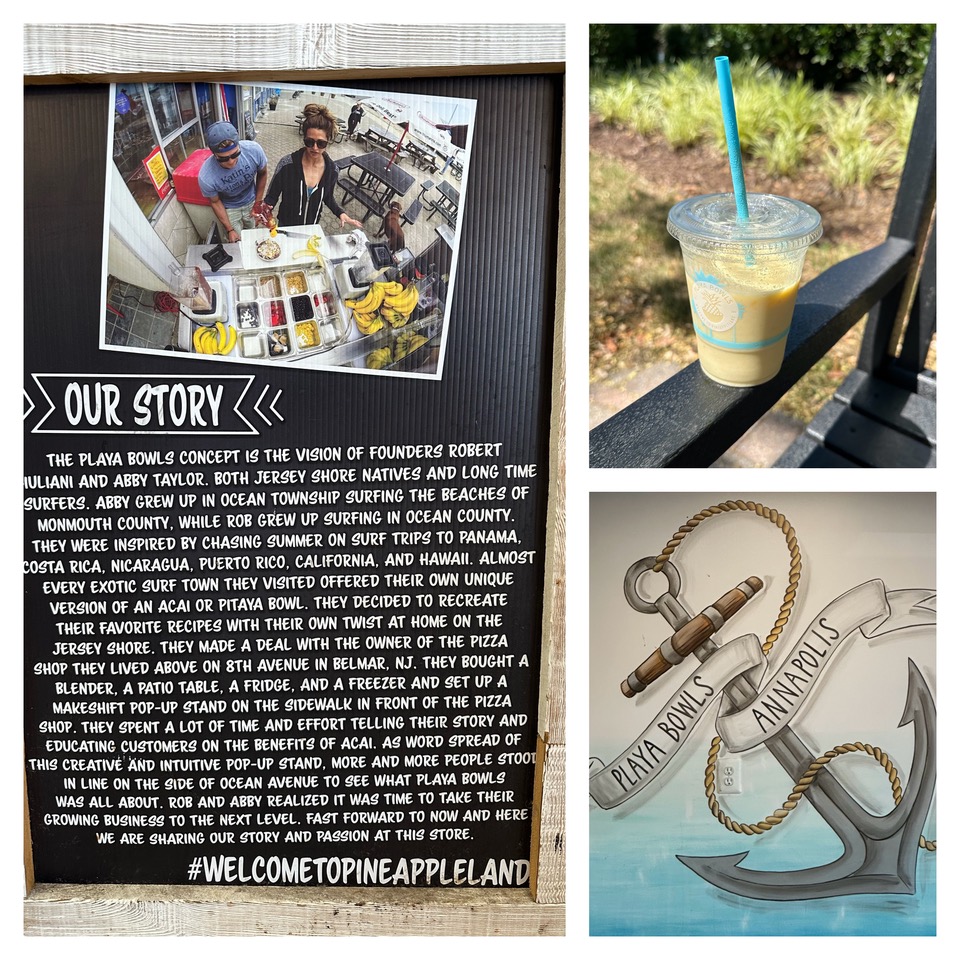
I’ve been on a smoothie kick lately. Nutritious and refreshing. The local smoothie shop is called “Playa Bowls.” The brand has evolved from a scrappy, $5,000 roadside stand in New Jersey to a nationwide franchise of 400+ franchises generating $300 million annually! Founders Abby Taylor and Robert Giuliani launched the concept in 2014 in Belmar, NJ. They used an extension cord hooked up to an apartment above a pizza shop just to power their single blender. Part of their business strategy: core strategic pillars—authenticity, community connections, and simple, nimble operations. I also see “Teamwork, Tone, Tenacity” and the American capitalist economy and culture as fundamental to their success, something that would not be possible in a socialist economy and culture. Specifically:
- TEAMWORK: Playa Bowls began with the complementary partnership of two founders and scaled only by carefully selecting franchisees who share the lifestyle and act as local community pillars. Trust and alignment enabled rapid national expansion without diluting the brand. The system allows franchisees to feel ownership and loyalty rather than mere compliance.
- TONE: The brand’s defining asset is its consistent positive “Playa” vibe: tropical energy, health + happiness, “summer every day,” and “good energy meeting good food.” Founders projected authenticity and optimism while educating skeptical customers. Social media and store design reinforce an upbeat climate that attracts both guests and operators. This is textbook “command culture,” a positive attitude that multiplies outcomes and shapes atmosphere.
- TENACITY: Starting with almost nothing, long dual-job hours, seasonal headwinds, product unfamiliarity, initial resistance to expansion, and competitive imitators required relentless persistence. Growth from one cart to hundreds of units in roughly a decade demanded continuous problem-solving and “never letting up.” This purpose-driven endurance and viewing setbacks as temporary maps directly onto the founders’ grind and the expectation that successful franchisees sustain daily community effort.
EPILOGUE: In the current political climate of a rising “Democratic Socialist Party,” I’ve thought about whether this type of success story could occur in a future socialist economy and culture. I’ve come to the conclusion it could not. In a socialist economic model and culture, a private refreshment franchise like Playa Bowls would face structural and cultural barriers that prevent its existence and expansion in its current form.
– ECONOMIC BARRIERS:
Ban on Private Ownership: Socialism mandates that the means of production (equipment, supply chains, real estate) are owned collectively by the public or the state, preventing individual founders from owning a corporate franchise.
No Venture Capital: Capitalist growth relies on private investors, venture capital, and bank loans for rapid expansion; a socialist system relies on state-allocated funding based on societal needs rather than profit potential.
– Price and Wage Controls: Prices of goods and worker wages are typically set by central planning or worker councils, eliminating the profit margins required to fund corporate growth and franchise fees.
– Supply Chain Centralization: Sourcing exotic, premium ingredients (like acai from Brazil or pitaya) requires flexible, market-driven international trade networks, which face heavy bureaucratic friction under state-managed import systems.
CULTURAL BARRIERS:
– Collective vs. Individual Reward: Socialist culture prioritizes collective well-being and wealth equity, viewing wealth accumulation by individual founders as exploitation rather than a success to be celebrated.
– Focus on Essential Goods: Cultural and political priorities shift toward fulfilling foundational societal needs (housing, healthcare, basic nutrition) rather than marketing premium, luxury lifestyle refreshments.
– Absence of Consumerism: Capitalist cultures thrive on brand loyalty, aggressive marketing, and trendy consumer experiences, which are culturally discouraged or de-emphasized in a socialist framework focused on utility and cooperation.
In summary, Playa Bowl’s durable success comes less from perfect plans or abundant resources and more from a simple, memorable cultural operating system and a capitalist economic and cultural atmosphere. “T3” (or Playa’s equivalent vibe + selective partnerships + grind) creates self-reinforcing high performance: people trust each other (TEAMWORK), operate with energy and consistency (TONE), and keep pushing through friction (TENACITY). These principles scale because they prioritize human factors that survive complexity and adversity.
– Rear Admiral Paul Becker, USN (Ret) is a motivational and national security keynote speaker. He is a leadership professor at the U.S. Naval Academy and the CEO of The Becker T3 Group. In 2016, the Naval Intelligence Community established “The Rear Admiral Becker’s Teamwork, Tone, Tenacity Award for Leadership” in his honor. To connect with Paul, visit his website: https://TheBeckerT3Group.com
Sorry, the comment form is closed at this time.